slate.com — Discovery (discovered via Food) — Sat, 29 Aug 2026 15:00:00 GMT
Summary
Inspired by a night when she ate only fried eggs on toast for dinner, the author reflects on how her parents' weeknight cooking in 1980s rural Norway—built around a rotating repertoire of about a dozen simple dishes like ground meat in brown sauce, fish balls, milk-based porridge, and spaghetti with meat sauce—was deliberately uncomplicated, with experimentation reserved for weekends. After consulting her parents about their methods, she launched an experiment to memorize her own limited set of quick, reliable dishes adaptable to her London palate, including lentil pasta with pesto, pad krapow made with substitute Thai basil, tomato sauce repurposed for Bolognese and chili, miso tofu and aubergine bake, and frozen fish cakes. Her parents advised shopping once a week with planned variety, avoiding specialty ingredients, and keeping convenient backups like tinned stew on hand for tiring days. The approach has saved her money, reduced her takeaway habit, and shifted her mindset from asking what she wants to eat to asking what she already has. Though she still occasionally consults recipes, she has embraced unfashionable shortcuts like canned spinach, concluding that her parents' efficient, dependable style of cooking offers practical wisdom for today's kitchens.
Sign up for the Slatest to get the most insightful analysis, criticism, and advice out there, delivered to your inbox daily.
It started one night, in the deepest of winter, when I made myself two fried eggs and called it dinner. I had kale wilting in the fridge and aspirations to make stew with beans, coconut, and fresh turmeric; past me had planned out my week’s meals to be fun and nutritious. But it was late and I was tired, and on that hungry Thursday evening it felt as if all my glossy cookbooks were bullying me from their shelf. So, instead, I fried two eggs sunny-side up, toasted some bread, and smeared it with ketchup—considering today’s expectation that we should be making balanced meals from scratch every night, it barely qualified as dinner.
But my scrappy solution, while not exactly delicious, sent me to bed full, and it got me thinking: Maybe it doesn’t have to be that complicated? When I was a kid, my dad would sometimes solve dinner in my mother’s absence by frying up a couple of meat patties, putting them on bread with ketchup. No potatoes, no vegetables, no place settings—just Dad and me eating by the wooden chopping board that pulled out of the counter like a drawer, sharing a moment together over the simplest of meals.
Weeknight dinners always seemed so much simpler when I was a child, I lamented to my mother a few days later. “I’m so over these ‘easy’ dinner recipes that pretend they’ll take just 30 minutes but never do,” I complained. “Back then we usually just had the same dozen-or-so things over and over, right?” She confirmed my memory—it was mostly variations of ground meat (game cakes in brown sauce, beef balls in soup) and ground whitefish (balls in white sauce, cakes in brown). There were also multiple kinds of milk-based porridge served with cold cuts (cinnamon-topped velvet porridge is delicious, I promise), as well as spaghetti with meat sauce and, in a pinch, tomato soup with boiled egg.
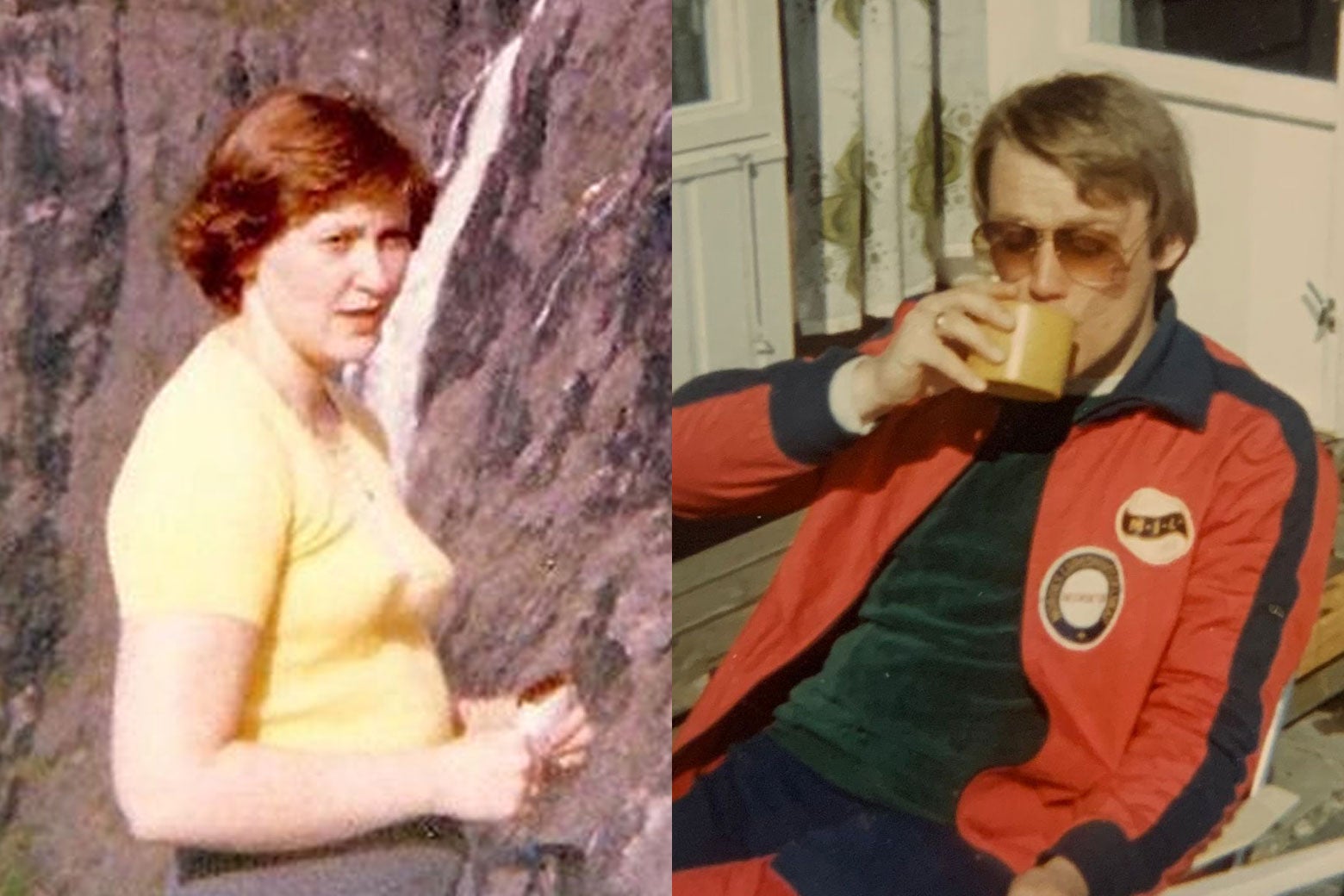
This was the Norwegian countryside in the 1980s, and my parents cooked the food of the time and place. “It was the food that we had,” said my mother. Dinner was simple, and that was by design. “No one got creative with food on a Tuesday night back then.”
I’d hazard to say I’m a somewhat more broadly skilled cook than my parents—though I’m still pretty slapdash in the kitchen and remain unconvinced that toasting nuts is worth the effort. But what they lacked in adventurousness they made up for in straight-up endurance, and frankly, I think we ate better. Food experimentation was for weekends and special occasions, and no one would dream of cracking a cookbook on a Monday. “Having so many ingredients in your meals makes it taste really good, but it can be a bit much sometimes,” said my mother. “Meat cakes with just potatoes and carrots are fine too.”
I remember my childhood dinners as good food, if a little heavy on the red meat, and though they may not have been innovative, they were certainly reliable—sustenance delivered with efficiency and care, and at a reasonable hour. So why am I here at 8 on a Wednesday night, feeling obliged to find a recipe that uses up that jar of dukkah I bought for that one dish I made on New Year’s Eve?
Sorry to that dukkah, but after speaking with my parents, I decided to embark on a little experiment inspired by their ’80s cooking habits. I’ve lived in London for over 20 years now, and my palate has changed considerably, so I won’t be making my childhood favorite of those fish balls in white sauce (served with potatoes and ketchup, and grated carrots on a separate plate lest the foods touch). But the idea is the same: memorize a limited repertoire that I can make quickly and easily, without too much thinking, in a rushed, hungry moment.
When I started out, I knew only one dish by heart: lentil pasta with store-bought pesto, topped with vegetables fried in garlic, lemon, and chili—it’s simple, and the ingredients are interchangeable. This is the key, I realized, after I asked my mother how she meal-prepped back then. “I tried to go food shopping just once a week and planned for some variety, so we’d have meat one day, fish one day, and porridge one day,” she said—certainly, no one made special trips to source holy basil for pad krapow, the Thai stir-fry that relies on this herb to taste right. My dad reminded me that our countryside supermarket had a very narrow selection compared to what it has today, so you weren’t burdened by choice: “We’d come home from work and were hungry, and it was about making something quickly. There wasn’t much to think about.”
My parents didn’t have three kinds of fresh herbs in their fridge in the ’80s; the only way to get any in those days was to grow them yourself. I still wanted pad krapow as one of my dozen staples, though, as it’s fast and easy to make using ground meat and pantry staples like fish sauce, chili, and egg. But maybe I could compromise by swapping in the Thai basil that’s available via the company that delivers my groceries? It’s not authentic, but it is pragmatic, as is fitting for a Norwegian experiment.
I soon realized that making food from scratch is actually a lot faster when you’re doing it from memory. Homemade tomato sauce is surprisingly simple (the secret is cocoa powder), and I figured I could use the same formula as a base for both a quick-cooking Bolognese and chili. To add more fish to my repertoire, I took a leaf out of the ’80s book and bought some fish cakes for the freezer—I remember eating plenty of fish fingers in that burgundy kitchen. You have to plan for days when you run out of time too, noted my mother: “These days, everyone talks about cooking from scratch, which is great,” she said. “But after a few weeks of that, you’re bound to be tired one day, and then it’s OK to reach for a tin of stew.”
Living in London, I used to order takeaway at the end of a rushed day. But now that I’ve stocked the pantry with some lazy options, I’m far more likely to look in there first. “It’s good to eat a bit more plainly and sensibly sometimes,” said my father—not every dinner has to be a culinary highlight. This attitude has saved me money too. While I go out to eat far more than my parents ever dreamed of in the ’80s, I’m slowly finding my perspective on cooking and eating shifting to something that increasingly happens at home.
I’m still working on memorizing all my dozen dishes—which have grown to include miso tofu and aubergine bake, satay chicken curry (with peanut butter from a jar), and beetroot soup—occasionally glancing at the cookbook pages to make sure I’m not forgetting anything. Even simplified, there’s a lot more ingredients in my kale stew than in my parents’ meatloaf. But I’m far less likely to approach dinner asking myself what I fancy eating. Now the question is: What do I have? Because I already know it’s going to be whatever’s in the fridge. And if I’ve messed up my grocery planning, there’s always lentils to whip up a quick dal with spinach. Fresh leaves are nicer, for sure, but I keep a tin of spinach in the pantry these days, to make things as easy as possible. Canned vegetables may be unfashionable in 2026, but as I’ve learned over the course of this little experiment in parental kitchen wisdom, going retro can be surprisingly satisfying.
Original article: https://slate.com/life/2026/08/easy-weeknight-dinner-recipes-ideas-shortcuts.html Source: slate.com (discovery)